
trueNetLab
Arc is shutting down: Where does my digital life go?
Read More
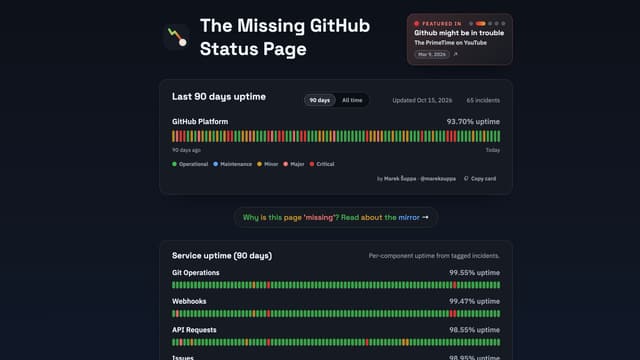
Who builds the next GitHub? Code, AI and platform power
Anthropic builds Scion, Cloudflare opens Artifacts. Why AI challenges GitHub and makes code, development data and platform control increasingly valuable.
Sophos Firewall v23: Progress, Limitations, and Open Questions
Sophos Firewall v23 after nearly two weeks in my homelab: a good rule view, an inconsistent interface, and new APIs. My first critical assessment.

Threat Feeds for Firewalls: Impact, Limitations, and Providers Compared
A data center, 516,959 block events, and a year of feed testing: what threat feeds achieve, what they cost, and where they fall short.

Privacy Is Security: Who Can We Still Trust?
Pavel Durov's warning, chat control, and Apple's privacy promise: what encryption protects and how much control Linux and smartphones give us.

As China Catches Up: Shenzhen, Huawei, and the Next Chip Era
How China is developing EUV technology in Shenzhen, how Huawei combines expertise, and why export controls are accelerating its chip strategy.
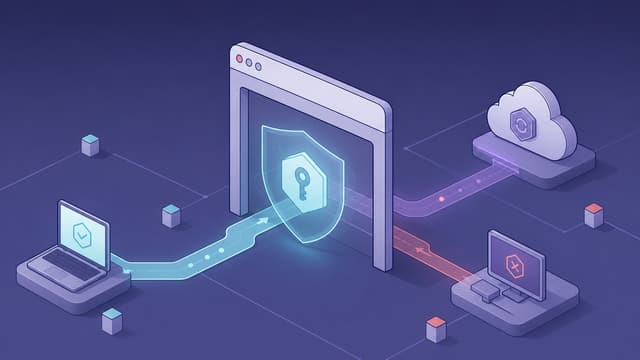
Pass-ta-key: What the attack on Google passkeys really means
Pass-ta-key, WebAuthn replays, and FIDO downgrades examined: what passkeys protect and what organizations must secure now.
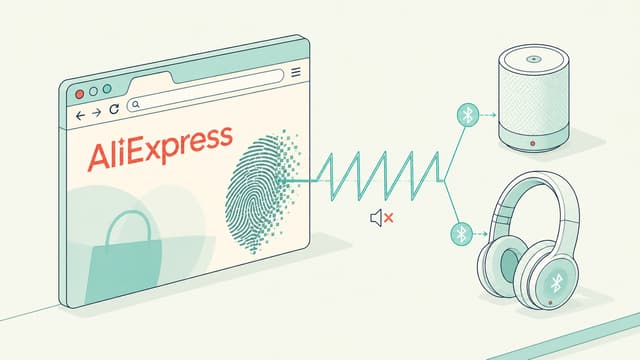
AliExpress: Fingerprinting Through the Web Audio API
A Bluetooth bug exposed AliExpress scripts using Web Audio, Canvas, and WebGL for device fingerprinting. Here is the technical analysis.
Why Omarchy Makes Me Think About Linux
Omarchy Quattro has me reconsidering Linux after nearly 20 years on macOS, with Arch, Hyprland, and an agent-friendly desktop at its core.

TRMNL X Review: E Ink Is Ready for the Living Room
TRMNL X review: How E Ink, plugins, BYOD and self-hosting work, what the open dashboard costs, and why 10.3 inches is not enough for me.