Majorana 2: प्रगति या quantum PR?
Ai Security Networkविषय सूची
Majorana 2 के साथ Microsoft ने quantum computing वाली वही परिचित स्थिति फिर बना दी है: बड़ा नंबर, आक्रामक roadmap, और ऐसा वादा जो भविष्य जैसा सुनाई देता है।
20 सेकंड qubit lifetime. कुछ measurements में लगभग एक मिनट. पिछली पीढ़ी से 1,000 गुना अधिक reliability. 2029 तक scalable quantum computer. साथ में Microsoft Discovery, एक agentic AI platform, जिसने research, material development और measurement workflows को तेज किया बताया गया है।
यह breakthrough जैसा लगता है। लेकिन quantum computers में यही हिस्सा खतरनाक है। एक interesting measurement signal और practical, fault-tolerant quantum computer के बीच अभी भी बहुत physics, engineering और reproducibility बाकी है।
Majorana 2 दिलचस्प है, लेकिन यह अभी proof नहीं है कि Microsoft का risky quantum रास्ता सच में काम करता है।
अगर Microsoft का तरीका सफल होता है, तो यह अधिक stable qubits तक पहुँचने का elegant रास्ता होगा। लेकिन public communication फिर scientific स्थिति से ज्यादा confident लगती है।
Quantum computers इतने कठिन क्यों हैं
Classical computers bits पर काम करते हैं: 0 या 1. Quantum computers qubits पर काम करते हैं, यानी quantum states पर। Superposition, interference और entanglement classical logic का faster version नहीं हैं, बल्कि information processing का अलग तरीका हैं।
इसीलिए quantum computers material simulation, chemistry, optimization, cryptography और ऐसे scientific models के लिए interesting हैं जहाँ classical computers जल्दी limit पर पहुँच जाते हैं।
लेकिन quantum computer कोई fast laptop नहीं है। यह normal server, firewall, browser या database को replace नहीं करेगा। यह कुछ खास calculations के लिए specialized tool होगा, शायद classical high-performance systems और cloud infrastructure के साथ जुड़ा हुआ।
असली चुनौती सिर्फ qubits की संख्या नहीं, quality है। Qubits बहुत fragile होते हैं। heat, material defects, electrical noise, magnetic fields, radiation और measurement noise quantum states को destroy कर सकते हैं। कई quantum processors को absolute zero के बहुत पास cool करना पड़ता है। 0 kelvin -273.15 degrees Celsius है; practically exact नहीं पहुँचता, लेकिन quantum hardware बहुत पास चलता है।
Useful quantum computer के लिए state बनाना काफी नहीं है। उसे control, measure, couple, correct और scale करना पड़ता है।
Microsoft Majorana के साथ अलग क्या करना चाहता है
Microsoft कई वर्षों से topological qubits पर दांव लगा रहा है। idea यह है कि अगर information सिर्फ fragile local state में न रहकर system की structure से protected हो, तो कुछ errors शुरू से ही कम हो सकते हैं।
यह approach Majorana states या Majorana zero modes पर निर्भर है। Quantum computers में ये normal particles नहीं, बल्कि special semiconductor-superconductor structures में quasiparticles हैं। आसान भाषा में goal है quantum information को अधिक robust तरीके से store और read करना।
Theory में यह मजबूत है। Topological quantum computers को शायद अन्य platforms की तुलना में कम error correction चाहिए। यह बड़ी बात है, क्योंकि quantum error correction महंगा है: कुछ reliable logical qubits के लिए बहुत सारे physical qubits चाहिए।
लेकिन real devices में ऐसे topological states साबित करना कठिन है। कम exotic effects भी similar signals दे सकते हैं। जब signal ambiguous हो, strong press release काफी नहीं होती।
Majorana 2 में नया क्या है
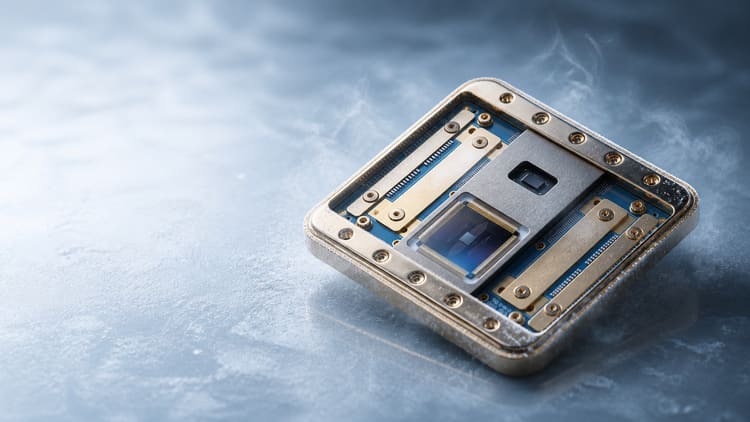
Majorana 2 Microsoft के इसी approach की अगली generation है। Microsoft के अनुसार material architecture बदला गया है: aluminium की जगह lead को superconducting layer के रूप में इस्तेमाल किया गया। technical preprint InAs-Pb tetron पर है, यानी indium arsenide और lead वाली structure।
मुख्य points:
- Material: superconducting layer के लिए aluminium की जगह lead.
- Device: indium arsenide और lead से बना InAs-Pb tetron.
- Lifetime: करीब 20 सेकंड characteristic parity switching time, कुछ events एक मिनट के range में.
- Energy gap: preprint के अनुसार InAs-Pb devices में करीब 70 microelectronvolt, पुराने InAs-Al devices में लगभग 30 microelectronvolt.
सबसे important point parity lifetime है। पहले aluminium-based devices की तुलना में यह बड़ा jump होगा।
Preprint बड़ा topological energy gap भी बताता है। मोटे तौर पर यह gap desired state की robustness से जुड़ा है।
अगर यह interpretation सही है, तो यह technical progress है। लंबी parity lifetime measurements और error correction को आसान बना सकती है। बड़ा gap अधिक robust states का संकेत हो सकता है। बेहतर material system real engineering progress हो सकता है।
लेकिन इसका मतलब यह नहीं कि scalable topological quantum computer बस आने ही वाला है।
Parity lifetime अपने-आप qubit lifetime नहीं है
Microsoft 20 seconds को बहुत aggressively qubit lifetime की तरह communicate करता है। यही सबसे critical point है।
Classical computer में bit का 20 seconds stable रहना impressive नहीं है। Classical bits memory, flash या storage में बहुत लंबे समय तक रह सकते हैं। Qubits में comparison अलग है, क्योंकि coherent quantum states और usable operations involved हैं। फिर भी separation जरूरी है:
- लंबी parity lifetime important signal है।
- stable, controllable, fault-tolerant qubit operation उससे ज्यादा है।
- scalable architecture में logical qubit उससे भी ऊपर का level है।
Network analogy से देखें तो यह switch की link LED जैसा है। LED जलती है तो पता चलता है Layer 1 पर कुछ है। लेकिन DHCP काम कर रहा है या नहीं, routing सही है या नहीं, TCP clean pass होता है या नहीं, application usable है या नहीं, यह अभी नहीं पता।
इसलिए Majorana 2 मेरे लिए building block है, final answer नहीं।
आलोचना इतनी तेज क्यों है
Skepticism अचानक नहीं आया। Microsoft के Majorana program का इतिहास है।
2021 में Microsoft से जुड़ा एक high-profile Nature paper retract करना पड़ा। बाद के काम, खासकर Majorana 1 की communication, भी बाहरी researchers की criticism में आए। 2025 में Microsoft ने Nature में InAs-Al hybrid devices में interferometric single-shot parity measurement पर paper publish किया। उस paper ने खुद माना कि measurement topological और trivial origins को साफ अलग नहीं करती।
24 जून 2026 को Henry F. Legg ने Nature में formal criticism publish किया। उन्होंने Majorana 1 approach के transport data का analysis किया और कहा कि claimed parity measurement ऐसी regions में हुई जो strongly disordered और apparently gapless दिखती हैं। इससे topological interpretation कमजोर होती है और trivial explanations ज्यादा plausible लगती हैं।
उनका पहले का arXiv comment Topological Gap Protocol पर भी इसी दिशा में था: protocol measurement ranges, parameters, data resolution और definitions के प्रति sensitive है। अगर छोटे methodological choices यह तय करते हैं कि device topological माना जाए या नहीं, तो यह बहुत बड़े claims के लिए मजबूत आधार नहीं है।
Microsoft disagree करता है। Nature reply में team कहती है कि RF interferometry measurements सिर्फ gap assume नहीं करतीं, और gapless system observed stable signal इस तरह नहीं देगा। यानी असली technical debate है।
लेकिन public interpretation के लिए point यही है: desired Majorana states की existence और technical usefulness Microsoft की product communication जितनी undisputed नहीं है।
एक मजबूत signal काफी नहीं
Majorana 2 पर मेरी सावधानी idea की वजह से नहीं है। idea fascinating है। difficult special path pursue करना research का हिस्सा है।
Problem तब आती है जब independently confirmed न हुआ finding लगभग finished timeline बन जाता है।
Scientific American external researchers की criticism quote करता है: नया काम preprint है, अभी peer-reviewed नहीं, और claim के आकार के लिए data basis बहुत narrow लगती है। central issue reproducibility है। कुछ measurements या device के कुछ हिस्सों में surprising behavior breakthrough हो सकता है, लेकिन artifact, special defect या favorable selection भी हो सकता है।
2029 roadmap के लिए Microsoft को कई devices, batches, labs और measurement setups में repeatable results चाहिए। तब तक Majorana 2 interim result है, final proof नहीं।
AI वाला हिस्सा कम spectacular है
Microsoft कहता है Majorana 2 Microsoft Discovery और agentic AI की मदद से develop हुआ। AI ने measurements automate किए, fabrication data evaluate किया, hypotheses suggest किए और workflows accelerate किए।
यह plausible है। modern research बहुत data बनाती है। AI parameter spaces explore करने, measurement automate करने और material processes document करने में मदद करे तो useful है।
लेकिन AI physics को replace नहीं करती। device reproducibly काम करना चाहिए, measurement clean होनी चाहिए, alternative explanations exclude होनी चाहिए और independent groups result repeat कर सकें। AI lab को faster बना सकती है, ambiguous signal को automatically unambiguous नहीं।
Security और infrastructure के लिए इसका मतलब
Admins, network engineers और security teams के लिए फिलहाल जवाब है: operationally कुछ dramatic नहीं।
Majorana 2 ऐसा quantum computer नहीं है जो कल TLS, VPN, SSH या signatures तोड़ देगा। certificates, firewalls या encryption procedures panic में बदलने की जरूरत नहीं।
लेकिन quantum computing को सिर्फ marketing theater कहना भी गलत होगा। long term में cryptography question real है। पर्याप्त बड़ा, fault-tolerant quantum computer आज के कुछ public-key systems को खतरा दे सकता है। इसी वजह से post-quantum cryptography migrations Microsoft की Majorana timeline से अलग पहले से चल रही हैं।
सही operational posture boring लेकिन useful है:
- cryptographic dependencies inventory करें,
- TLS, VPN, SSH, S/MIME और signature methods समझें,
- vendors की post-quantum support roadmaps देखें,
- proprietary “quantum safe” promises बिना जांचे न खरीदें,
- hybrid methods और standards follow करें,
- long-lived secrets को अलग treat करें।
कुछ data को आज ही नहीं, दस या बीस साल बाद भी protect रहना है। ऐसे data के लिए “store now, decrypt later” real scenario है। Majorana 2 deadline नहीं बदलता, लेकिन याद दिलाता है कि cryptography roadmap तब शुरू नहीं होनी चाहिए जब vendor camera के सामने finished quantum computer दिखाए।
Market को बड़े साल पसंद हैं
Microsoft अब 2029 की बात करता है। IBM भी ambitious roadmaps communicate करता है। Google, start-ups, research institutes और states भारी investment कर रहे हैं। market forecasts अलग-अलग हैं, लेकिन common point clear है: quantum computing strategic, expensive और expectation-heavy है।
इसीलिए years को सावधानी से पढ़ना चाहिए। Infrastructure लोग pattern जानते हैं: vendor roadmap दिखाता है, number media में आता है, “we want” जल्दी “it is coming” बन जाता है। research goal product promise बन जाता है।
Quantum computers में यह shortcut risky है, क्योंकि intermediate steps दिखते नहीं। reader “20 seconds” और “2029” देखता है। असली debate parity, topology, energy gap, parasitic states, material defects, error correction, measurement protocols और scaling पर है।
असली quantum breakthrough की checklist
मुझे Majorana 2 पर कम research नहीं, ज्यादा evidence चाहिए:
- Independent reproduction: सिर्फ एक impressive device नहीं, कई devices, batches और ideally external labs.
- More open raw data: disputed measurement protocol में transparency PR certainty से बेहतर है.
- Clear language: parity lifetime, qubit lifetime, coherence time, logical qubit और scalable computer interchangeable नहीं हैं.
- Peer review before roadmap triumph: preprint ambitious हो सकता है, लेकिन 2029 promise को scientific uncertainty साफ बतानी चाहिए.
- Less “breakthrough”, more milestone: Majorana 2 important milestone हो सकता है, लगभग finished computer नहीं।
मेरी राय
मेरे लिए Majorana 2 न nonsense है, न finished breakthrough।
यह risky research program में interesting progress है। longer parity lifetime और lead material shift technically relevant हैं। अगर Microsoft results reproduce, extend और independently confirm कर सके, तो यह बहुत important हो सकता है।
लेकिन current evidence पूरी बड़ी story नहीं संभालती। Majorana 1, Topological Gap Protocol और measurement interpretation पर criticism बहुत concrete है। Microsoft के पास answers हैं, लेकिन answers independent confirmation नहीं होते।
Security teams के लिए lesson panic नहीं, discipline है। Post-quantum cryptography prepare करें। Cryptographic dependencies जानें। hype-driven purchases न करें। Majorana 2 को 2029 quantum computer का final proof न मानें।
शायद Microsoft का special path अंत में सही निकले। वह scientific और technical तौर पर बहुत exciting होगा। लेकिन तब तक quantum chip fascinate कर सकता है; उसे फिर भी prove करना होगा कि वह एक अच्छी press story में अच्छे signal से ज्यादा है।
अगली बार तक,
Joe
FAQ
क्या Majorana 2 तैयार quantum computer है?
Microsoft Majorana 2 के बारे में क्या दावा करता है?
Majorana 2 विवादित क्यों है?
क्या admins को Majorana 2 के कारण तुरंत cryptography बदलनी चाहिए?
स्रोत
- arXiv: 20 Second Parity Lifetime in an InAs-Pb Tetron Device
- Nature: Interferometric single-shot parity measurement in InAs-Al hybrid devices
- Nature: On the robustness of topological gap detection via transport
- Nature: Reply to: On the robustness of topological gap detection via transport
- arXiv: Comment on InAs-Al hybrid devices passing the topological gap protocol
- Scientific American: Microsoft’s new quantum computer chip has a fundamental problem
- Nature: Majorana zero modes and topological quantum computation