Sophos vs Palo Alto 2026: कौन सा firewall सही है?
Network Sophos Securityविषय सूची
जो कोई Sophos vs Palo Alto खोजता है, वह शायद ही सिर्फ़ यह पूछ रहा होता है कि किस appliance की feature list ज़्यादा सुंदर है। असल में सवाल operating model का होता है। क्या मुझे ऐसी firewall चाहिए जिसे एक छोटी या मध्यम टीम जल्दी समझ सके और मौजूदा Sophos Central दुनिया में जोड़ सके? या मुझे ऐसी security platform चाहिए जो App-ID, User-ID, Panorama, Strata Cloud Manager, Prisma Access, logging और automation को enterprise building blocks की तरह जोड़ती हो?
इसीलिए Sophos Firewall vs Palo Alto की तुलना दो समान products से नहीं होती जिन पर अलग logo लगे हों। यहाँ दो सोचों की तुलना होती है। Sophos ज़्यादा एक integrated security tool जैसा लगता है, उन admins के लिए जो एक platform से जितना हो सके उतना काम पूरा करना चाहते हैं। Palo Alto ज़्यादा एक precise enterprise instrument जैसा लगता है: powerful, expensive, methodical, कभी-कभी भारी, लेकिन सही हाथों में बेहद robust।
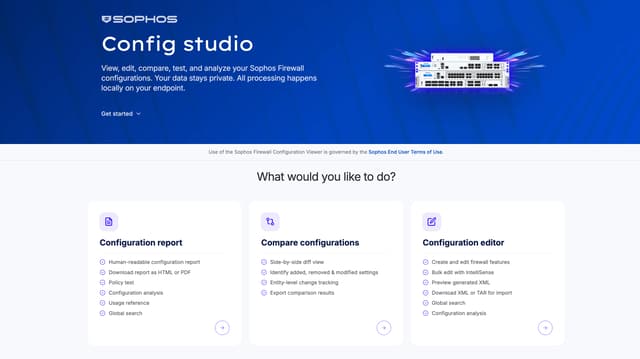
मेरी शुरुआती स्थिति emotionless neutral नहीं है। मैं Sophos Firewalls के साथ काम करना पसंद करता हूँ, क्योंकि रोज़मर्रा में बहुत सी चीज़ें logical तरीके से arranged हैं और classical mid-market networks में Sophos अक्सर friction कम कर देता है। साथ ही मैं महसूस कर रहा हूँ कि Sophos को लेकर मेरा patience पतला हो रहा है। Firewall की foundations अच्छी हैं, लेकिन central admin topics बहुत देर लेते हैं। जब analysis, diff और अब configuration changes तक Config Studio जैसे external browser tool में चले जाते हैं, तो यह practical तो है, लेकिन warning signal भी है। ऐसे workflows Sophos Central में या सीधे firewall UI में होने चाहिए। मौजूदा v21.5 से v22 तक के Sophos-Firewall-Bugs के साथ मिलकर मेरे भीतर अभी उतनी skepticism पैदा हो रही है जितनी दो साल पहले मैंने उम्मीद नहीं की थी।
Palo Alto को मैं अलग नज़र से देखता हूँ। वहाँ मुझे “friendly firewall” कम और ऐसा system ज़्यादा दिखता है जो clear processes enforce करता है: Candidate Config, Commit, zones, NAT flow, Security Profiles, Panorama policy hierarchy, log architecture। यह परेशान कर सकता है। लेकिन बड़े environments में यही strictness अक्सर advantage होती है।
निर्णायक बात यह है कि आपकी टीम रोजमर्रा के काम में चुने गए प्लेटफ़ॉर्म को कितनी सुरक्षित और आत्मविश्वास से चला सकती है।
संक्षिप्त उत्तर: बात maturity level की है
जब कोई company Palo Alto खरीदती है, तो वह सिर्फ़ firewall नहीं खरीदती। वह network access को application, user, device, threat profile और central policy के आधार पर बहुत granular तरीके से control करने की capability खरीदती है। यह तभी worth it है जब team इस depth को सचमुच use भी करे। Regulated environments, बड़े rule sets, SASE strategy, Prisma Access, लंबी log retention, API automation और clear change governance के लिए Palo Alto आम तौर पर stronger choice है।
Sophos अलग तरह से खेलता है। वहाँ value ज़्यादा यह है: जल्दी productive होना, mid-market में कम console stress, अधिक understandable rules, useful integrated functions, strong Central integration और अक्सर काफी बेहतर price-performance ratio। Sophos “छोटा” solution नहीं है, लेकिन यह ज़्यादा इस बात के लिए optimize है कि छोटी team भी इसे अपनी अलग Palo Alto specialization के बिना operate कर सके।
2026 के लिए मेरी tendency: जो mid-market में paloalto alternative खोज रहा है, उसे Sophos को seriously test करना चाहिए। जो mature automation, ZTNA/SASE path और deep app control वाली long-term enterprise security platform चाहता है, वह कहीं ज़्यादा बार Palo Alto पर पहुँचेगा।
यह romantic vendor question नहीं है। यह maturity question है: तुम्हारी team असल में कितना security engineering कर सकती है और करना चाहती है?
इस तुलना में मैं किन बातों पर ध्यान देता हूँ
Palo Alto के लिए classical price/feature matrix पर्याप्त नहीं है। निर्णायक point सिर्फ़ performance या price नहीं, बल्कि यह सवाल है कि platform disciplined तरीके से operate होती है या नहीं। खराब maintain की गई Palo Alto environment जल्दी expensive और complicated हो जाती है। अच्छी maintain की गई Palo Alto environment कई वर्षों तक बहुत cleanly scale कर सकती है।
इसलिए मैं खास तौर पर इन points को देखता हूँ:
- Policy model: क्या सचमुच App-ID, User-ID और Security Profiles के साथ काम होता है, या सिर्फ़ ports के साथ?
- Change workflow: Candidate Config plus Commit team की मदद करता है या उसे slow कर देता है?
- Remote Access: Classical VPN काफी है, या GlobalProtect/Prisma Access strategic है?
- Logging: Panorama, Log Collector या Strata Logging Service है, या सिर्फ़ local logs?
- Automation: APIs, Terraform, Ansible और dynamic objects use होते हैं?
- Operating costs: Subscriptions, logging, management और support पूरी तरह calculate किए गए हैं?
- Team know-how: क्या कोई है जो PAN-OS को सचमुच समझता है?
Sophos को मैं अलग नज़र से देखता हूँ: Central से कितनी दूर तक जाया जा सकता है, changes कितनी जल्दी understandable हैं, platform रोज़मर्रा में कितना बचाती है, और किस point पर missing depth, slow UI या external helper tools की वजह से काम मुश्किल हो जाता है?
त्वरित तुलना
| क्षेत्र | Sophos Firewall | Palo Alto Networks NGFW | मेरी व्याख्या |
|---|---|---|---|
| Security architecture | Xstream, FastPath, SFOS v22 में Secure-by-Design hardening | App-ID, User-ID, Content-ID, Single-Pass architecture | App और content control में Palo Alto गहरा है, Sophos ने v22 के साथ platform hardening में साफ़ progress किया है। |
| Rules और NAT | accessible, पढ़ने में आसान, NAT अलग, लेकिन bulk workflows में weak | बहुत methodical, zone model, NAT और security अलग, strong policy depth | Sophos जल्दी समझ आता है, Palo Alto complex rulebases में साफ़ तरीके से scale करता है। |
| VPN / ZTNA | Sophos Connect, SSL VPN, IPsec, Sophos ZTNA via Central | GlobalProtect, HIP, Prisma Access, ZTNA Connector | Remote Access और Enterprise ZTNA में Palo Alto अधिक rounded है, classical setups के लिए Sophos सरल रहता है। |
| SD-WAN | Mid-market के लिए solid, simple branches के लिए SD-RED strong | NGFW SD-WAN, Prisma SD-WAN, बेहतर enterprise story | Sophos अक्सर काफी है, Palo Alto बड़े WAN designs में अधिक mature लगता है। |
| Web / IPS / TLS | अच्छी Web Protection, DPI, TLS 1.3, hardware पर Xstream offload | Advanced URL Filtering, Advanced Threat Prevention, WildFire, बहुत deep policies | Sophos pragmatic है, Palo Alto high-end web security में stronger है। |
| WAF | clear limits के साथ integrated Web Server Protection | NGFW पर classical on-box WAF नहीं, ज़्यादा Prisma/WAAS या dedicated WAF | Simple publishing के लिए Sophos जीतता है, real AppSec dedicated WAFs पर होनी चाहिए। |
| E-Mail Security | Firewall module मौजूद, लेकिन strategically outdated | Firewall core function के रूप में नहीं, separate e-mail security products | Sophos के पास box पर ज़्यादा है, लेकिन innovation Central या specialist solutions में जा चुकी है। |
| Central Management | Sophos Central simple है, लेकिन firewall config management limited रहता है | Panorama और Strata Cloud Manager ज़्यादा powerful, लेकिन complex और expensive | Sophos simplicity में जीतता है, Palo Alto professional scaling में। |
| Logging / Reporting | local usable, Central Reporting cloud-only, Advanced extra cost | local reports, Panorama, Log Collectors, Strata Logging Service | Sophos जल्दी usable है, Palo Alto बड़े retention और SOC models के लिए बेहतर है। |
| API / Automation | XML/API workflows, SDK, helper path के रूप में Config Studio | PAN-OS API, Terraform, Ansible, Panorama workflows | Infrastructure as Code में Palo Alto साफ़ जीतता है। |
| Costs | अक्सर strong discounts, अच्छी price-performance, लेकिन promo culture कभी-कभी cheap लगती है | premium price, कई subscriptions, strong platform | Sophos कई budgets के लिए realistic है, Palo Alto को अपनी value सचमुच prove करनी पड़ती है। |
| Roadmap | strong hardening, लेकिन slow admin ergonomics | Strata, Prisma और PAN-OS में high platform momentum | Palo Alto strategically तेज़ लगता है, Sophos को core product में catch up करना होगा। |
सुरक्षा वास्तुकला और फ़ायरवॉल नियम
Security architecture: Xstream बनाम App-ID
Security architecture में दोनों vendors का अंतर बहुत साफ़ दिखता है।
Palo Alto ने अपनी identity को App-ID, User-ID और Content-ID के आसपास बहुत मज़बूती से बनाया है। Firewall को सिर्फ़ ports और IPs नहीं देखने चाहिए, बल्कि applications, users, functions, risks और content भी देखने चाहिए। यह marketing से ज़्यादा है। Practice में App-ID खास तौर पर strong argument है, क्योंकि policies को सिर्फ़ “tcp/443 to Internet” allow नहीं करना पड़ता, बल्कि specific applications और कभी-कभी application functions को control किया जा सकता है। User-ID और device context के साथ मिलकर बहुत granular policy approach बनता है।
Sophos अलग approach लेता है। Xstream architecture DPI engine को FastPath offloading के साथ combine करता है। XGS hardware पर Xstream Flow Processor कुछ flows को initial evaluation के बाद accelerate कर सकता है। SFOS v22 के साथ Sophos ने अंदरूनी स्तर पर भी बहुत काम किया: hardened Linux kernel 6.6+, stronger process isolation, IPS जैसी services की containerization, integrated XDR Linux sensor के ज़रिए Remote Integrity Monitoring, Health Check और HA के लिए Self-Healing approaches।
यह महत्वपूर्ण है, क्योंकि Sophos सिर्फ़ “more features” देने की कोशिश नहीं कर रहा, बल्कि firewall को खुद attack करना कठिन बना रहा है। पिछले वर्षों में edge devices attackers के पसंदीदा targets बन गए हैं, इसलिए यह कोई nice detail नहीं, बल्कि real architecture point है।
फिर भी: deep app और content control में मेरी नज़र में Palo Alto आगे रहता है। Sophos के पास Synchronized App Control के साथ interesting counterargument है, अगर Sophos Endpoint use में हो: तब firewall को Security Heartbeat के ज़रिए बेहतर पता होता है कि client पर कौन-सा process traffic generate कर रहा है। Real environments में यह बहुत helpful हो सकता है। Sophos Endpoint के बिना यह advantage खत्म हो जाता है, और तब Palo Alto App-ID के साथ आम तौर पर ज़्यादा precise और consistent है।
मेरी व्याख्या: Sophos ने SFOS v22 के साथ Secure-by-Design और platform hardening में बहुत अच्छा कदम लिया है। लेकिन अगर firewall को enterprise में high-granularity Layer 7 enforcement system की तरह सोचा जा रहा है, तो Palo Alto अभी भी stronger choice है।
Security advisories और patch discipline
Firewalls network के edge पर खड़ी होती हैं। यही उन्हें defenders के लिए valuable और attackers के लिए attractive बनाता है। इसलिए खरीद निर्णयों में मैं अब security advisories और patch processes को पहले से ज़्यादा गंभीरता से देखता हूँ।
Palo Alto के लिए CVE-2024-3400 एक massive break था। यह vulnerability कुछ PAN-OS configurations में GlobalProtect को प्रभावित करती थी, इसका CVSS 10.0 था, और Palo Alto के अनुसार इसे production में discover किया गया। CISA ने उस समय active exploitation in the wild पर warning दी थी। बाद में management interface topics भी आए, जैसे CVE-2024-0012, CVE-2024-9474, CVE-2025-0108 और CVE-2025-0111, जिनमें Palo Alto ने खुद exploit attempts या attack status document किया। यहाँ important limitation है: इनमें से कई risks इस बात से बहुत जुड़े हैं कि management interfaces गलत तरीके से या बहुत broad तरीके से reachable हैं या नहीं। लेकिन real networks में यही चीज़ architecture diagrams से ज़्यादा बार होती है।
Sophos के पास भी critical firewall CVEs रहे हैं, जिनमें December 2024 advisory में CVE-2024-12727, CVE-2024-12728 और CVE-2024-12729 शामिल हैं। Sophos advisory में लिखता है कि affected versions के लिए hotfixes provide किए गए थे और automatic hotfix installation default रूप से active है। Sophos वहाँ यह भी कहता है कि उस समय कोई exploitation observe नहीं हुई थी। Historically Sophos में भी actively exploited vulnerabilities रही हैं जिन्हें भूलना नहीं चाहिए।
Operational difference patch model में है। Sophos के automatic hotfixes, बिना classical firmware upgrade pain के, emergency में बड़ा advantage हैं। Palo Alto अधिक classical तरीके से hotfix versions, maintenance windows, reboots और HA failover के साथ काम करता है। यह automatically खराब नहीं है, लेकिन यह अधिक disciplined operating processes मांगता है।
मेरा take: Palo Alto ने पिछले वर्षों में publicly visible, hard edge incidents देखे हैं। Sophos के पास भी critical vulnerabilities हैं, लेकिन hotfixing और Secure-by-Design transparency में वह points लेता है। दोनों cases में rule यही है: कोई WAN management नहीं, हर जगह MFA, admin access को strongly restrict करें, advisories subscribe करें और upgrades को महीनों तक postpone न करें।
Firewall rules और NAT
रोज़मर्रा में बहुत कुछ rules और NAT पर तय होता है। यहाँ Sophos पढ़ने में ज़्यादा pleasant है, लेकिन Palo Alto modeling में साफ़ है।
Sophos rules कई admins के लिए intuitive हैं: source, destination, service, zone, user, Web Policy, IPS, Application Control, logging। NAT को SFOS v18 से firewall rule set से साफ़ अलग किया गया है। Typical DNAT, SNAT और hairpin scenarios के लिए यह समझने योग्य है। जब मैं किसी server publishing को ढूँढता हूँ, तो Sophos में आम तौर पर मुझे वह जल्दी मिल जाता है जिसकी ज़रूरत है।
Palo Alto conceptually ज़्यादा demanding है। Security Policies और NAT Policies strict तरीके से अलग हैं। Pre-NAT और Post-NAT view के साथ NAT logic शुरुआत में कई admins को unfamiliar लगती है। इसके साथ zone model, App-ID, Service, URL Categories, Security Profiles, Decryption Policies, Panorama में Pre और Post Rules, Template Stacks और Device Groups आते हैं। यह अधिक thinking effort है, लेकिन बड़े environments में अधिक structure भी देता है।
Palo Alto तुम्हें clean design करने के लिए ज़्यादा मजबूर करता है। Sophos तेज़ काम की अनुमति देता है, लेकिन बड़े rule sets में यही directness कभी-कभी weakness बन जाती है। Bulk changes, NAT cloning, shadow rules, object usage और change diffs 2026 में सीधे firewall या Sophos Central में काफी बेहतर होने चाहिए। आज इसके लिए Config Studio की ओर बढ़ती dependency मेरे लिए product maturity का sign नहीं, बल्कि symptom है।
मेरी recommendation: अगर तुम्हारे पास कुछ सौ rules और छोटी team है, तो Sophos शायद ज़्यादा productive है। अगर तुम्हें कई teams, multiple sites, governance और policy inheritance चाहिए, तो Palo Alto Panorama या Strata Cloud Manager के साथ long term में ज़्यादा professional है।
कनेक्टिविटी और साइट नेटवर्किंग
VPN, ZTNA और Remote Access
Remote Access इस comparison में खास तौर पर interesting है, क्योंकि दोनों vendors अलग directions से आते हैं।
Palo Alto के पास GlobalProtect के साथ बहुत mature remote access platform है। Always-On, Pre-Logon, HIP checks, device posture, User-ID integration और Prisma Access की bridge strong arguments हैं। जो enterprise remote access बनाना चाहता है, उसे Palo Alto में बहुत complete model मिलता है। इसकी कीमत complexity और licensing है। अगर advanced functions को seriously use करना है, तो GlobalProtect बस “VPN included and done” नहीं है।
Sophos Sophos Connect के साथ IPsec और SSL VPN पर classical remote access देता है। कई environments के लिए यह पूरी तरह काफी है। SFOS v22 MR1 के साथ macOS पर Sophos Connect 2.0 के लिए SSL VPN support आया, और साथ ही legacy Remote Access IPsec हटा दिया गया। Security perspective से यह सही है, लेकिन operationally clear migration point है। पुराने Sophos setups चलाने वालों को update करने से पहले इसे ध्यान से check करना होगा।
ZTNA में Palo Alto stronger लगता है जब बात enterprise architectures की हो। Prisma Access, ZTNA Connector और User-ID, App-ID तथा Device-ID का combination strategically very rounded है। Sophos ZTNA simpler है और Sophos Central में अच्छी जगह पर है, लेकिन यह कम deep और कम complete महसूस होता है। कई mid-market cases के लिए Sophos ZTNA फिर भी attractive है, क्योंकि बड़े SASE project से शुरुआत नहीं करनी पड़ती।
Remote Access पर मेरा conclusion: Sophos simple है और classical admin teams के लिए अक्सर जल्दी productive हो जाता है। Palo Alto stronger है जब Remote Access, ZTNA, device posture और SASE long-term Zero Trust architecture का हिस्सा हों।
SD-WAN
SD-WAN में सवाल है: क्या मुझे “good enough” चाहिए या WAN design को strategic platform की तरह चलाना है?
Sophos typical चीज़ें कर सकता है: SD-WAN routes, gateway monitoring, performance-based selection, Central के ज़रिए VPN orchestration, बहुत simple branch connections के लिए SD-RED और connections पर central visibility। SD-RED खास तौर पर real practice argument है। छोटी branches, retail, simple offices या technical sites में यह pleasant है जब onsite व्यक्ति को basically सिर्फ़ device plug in करना पड़े।
Palo Alto तब stronger है जब WAN बड़ा और demanding हो जाता है। SD-WAN for NGFW, Prisma SD-WAN, backbone के रूप में Prisma Access, app-based steering, central policy, QoE और large-scale branch models enterprise context में अधिक mature लगते हैं। लेकिन यह expensive भी है और उतना low-threshold नहीं है।
मैं Sophos को weak नहीं कहूँगा। कई companies को highly complex SD-WAN की ज़रूरत नहीं होती। अगर goal दो Internet lines, कुछ VPNs, SaaS priorities और branch failover को साफ़ चलाना है, तो Sophos अक्सर काफी है। लेकिन अगर तुम 80 sites, multiple regions, cloud hubs, Prisma Access और differentiated application paths model कर रहे हो, तो मैं साफ़ तौर पर Palo Alto prefer करूँगा।
सुरक्षात्मक सेवाएँ और निरीक्षण
Web Protection
Sophos Web Protection रोज़मर्रा में अच्छी तरह समझ आती है। Categories, exceptions, HTTPS decryption, user relation और protection profiles के बीच आप काफी जल्दी click कर सकते हैं, बिना पहले अपना policy framework design किए। यह उन teams के लिए अच्छी fit है जो Web Security को cleanly operate करना चाहती हैं, लेकिन हर policy को छोटा research project नहीं बनाना चाहतीं।
Palo Alto गहराई में जाता है। Advanced URL Filtering inline और cloud-based detection use करता है, और Palo Alto web control को App-ID, User-ID, DNS Security, Advanced Threat Prevention और WildFire के साथ closely combine करता है। यह phishing, fast-changing domains, unknown URLs और finer controls में खास तौर पर strong है। इसके बदले बहुत कुछ subscriptions और clean design पर depend करता है।
Important point: TLS Inspection के बिना Web Protection increasingly कम meaningful होती जा रही है। दोनों vendors TLS 1.3 inspect कर सकते हैं। दोनों को exceptions चाहिए। दोनों QUIC, HTTP/3, SaaS special cases, banking, health portals, certificate pinning और privacy requirements से टकराते हैं। मैं यहाँ कभी datasheet देखकर decide नहीं करूँगा। मैं real clients, real browsers और real business applications के साथ pilot करूँगा।
मेरी व्याख्या: Sophos simple, well-administered web policies के लिए बेहतर है। Palo Alto stronger है जब Web Security App context, inline ML, DNS Security और SOC integration वाली high-end discipline हो।
IPS और TLS Inspection
IPS और TLS Inspection में vendor numbers के साथ बहुत सावधानी चाहिए। Datasheets rarely तुम्हारी reality दिखाते हैं। निर्णायक maximum firewall throughput नहीं, बल्कि TLS decryption, IPS, URL filtering, App Control, logging, packet sizes, concurrent sessions, SaaS, updates और video traffic का real mix है।
Palo Alto यहाँ architecturally बहुत strong है। Single-Pass, App-ID, Security Profiles, Advanced Threat Prevention, WildFire, Advanced URL Filtering और App-ID throughput तथा Threat Prevention throughput की clear separation sizing को अधिक transparent बनाते हैं। अगर मुझे high decryption load और strong security profile वाली environment design करनी हो, तो budget और know-how होने पर Palo Alto में मेरा confidence अधिक होगा।
Sophos XGS कई real mid-market scenarios में भी बहुत अच्छा perform कर सकता है। Hardware appliances पर Xstream Flow Processor मदद करता है, और DPI engine कोई पुराना multi-pass UTM stack नहीं रहा। लेकिन यहाँ एक point important है जो अक्सर overlook होता है: अधिक firewalls virtual, Azure, AWS या software appliance के रूप में चल रही हैं। वहाँ physical Xstream Flow Processor नहीं होता। Sophos लिखता है कि architecture custom ASICs पर dependent नहीं है और general-purpose CPUs पर भी चलती है। फिर भी virtual environments में XGS appliances का concrete hardware offload advantage नहीं रहता।
इसलिए मुझे नहीं लगता कि Sophos long term में hardware NPU narrative से बहुत ज़्यादा चिपका रह सकता है। Cloud और virtual deployments अधिक important होंगे, और वहाँ CPU sizing, architecture, parallelization, logging और good policy designs कम से कम उतने ही important हैं।
Price-performance ratio में Sophos अक्सर बेहतर दिखता है। खासकर जब customer को absolute high-end नहीं चाहिए, तो Sophos में अक्सर पैसे के बदले बहुत firewall मिलती है। Palo Alto expensive है, लेकिन demanding scenarios में higher price technically justified हो सकता है। बस उसकी real need होनी चाहिए।
WAF
Sophos firewall पर integrated Web Server Protection देता है। कई classical publications के लिए यह practical है: reverse proxy, WAF rules, templates, protection profiles, authentication, SNI और simple web server publishing scenarios। छोटी और मध्यम environments में यह operation को काफी simplify कर सकता है।
लेकिन ईमानदार रहना होगा: Sophos WAF modern enterprise WAF नहीं है। Documentation clear limits बताती है, जिनमें IPv4 focus, maximum 60 WAF rules, no WebDAV और 2013 से नए Exchange versions के लिए no support शामिल हैं। Nextcloud, complex APIs, bot management, modern WAAP use cases या highly critical web platforms के लिए मैं on-box firewall WAF को main protection नहीं बनाऊँगा।
Classical NGFW पर Palo Alto के पास comparable on-box WAF नहीं है। Broader Palo Alto portfolio में app और cloud security functions, Prisma Cloud WAAS/WAAP approaches और दूसरे building blocks हैं। लेकिन यह “firewall पर जल्दी WAF rule बना देना” जैसा नहीं है।
मेरी recommendation: Sophos जीतता है अगर तुम simple web servers को pragmatically publish करना चाहते हो। Serious AppSec के लिए Cloudflare, F5, Imperva, Akamai, Prisma Cloud WAAS या dedicated WAF/WAAP solution discussion में होने चाहिए। Firewall WAF comfort है, automatically AppSec strategy नहीं।
E-Mail Security
E-Mail Security में मुझे Sophos को critically classify करना होगा। हाँ, Sophos Firewall में E-Mail module है। हाँ, historically यह कई UTM customers के लिए important argument था। लेकिन यह कोई खुला रहस्य नहीं कि firewall पर यह function ज़्यादा साथ-साथ चल रहा है, बजाय इसके कि सालों से strategically modernize हो रहा हो।
मेरी नज़र में Sophos Firewall E-Mail solution अब outdated है। Simple scenarios में यह अभी मदद कर सकता है, लेकिन यह वह direction नहीं है जिसमें Sophos सचमुच invest कर रहा है। Sophos customers को अधिक Sophos Central Email या Sophos Email Plus की ओर ले जाना चाहता है। Technically यह understandable है, क्योंकि modern E-Mail Security आज M365, API integration, BEC detection, post-delivery remediation और cloud workflows में रहती है। लेकिन price-wise यह फिर “firewall पर तो साथ था” से काफी expensive हो जाता है।
मैंने इस पर अलग से Sophos Email Plus के बारे में लिखा है। इस comparison के लिए short version काफी है: Sophos firewall पर Palo Alto से ज़्यादा E-Mail functionality देता है, लेकिन आज Sophos खरीदने का यह main reason नहीं होना चाहिए।
Palo Alto यहाँ clear separation रखता है। NGFW कोई E-Mail Security appliance नहीं है। E-Mail Security separate products और integrations से आती है। Enterprise perspective से यह cleaner है, लेकिन SME perspective से expensive और कम integrated भी।
मेरी व्याख्या: अगर तुम आज serious E-Mail Security नई plan कर रहे हो, तो मैं इसे firewall पर decide नहीं करूँगा। Evaluation में M365 Defender, Proofpoint, Mimecast, Sophos Central Email या कोई और modern cloud solution लो। Firewall support कर सकती है, लेकिन mail security का heart नहीं होनी चाहिए।
प्रबंधन और स्वचालन
Central Management
Sophos Central उन मुख्य कारणों में से एक है जिनकी वजह से मैं रोज़मर्रा में Sophos को basic level पर पसंद करता हूँ। Firewalls देखना, backups, firmware, alerts, Central Reporting, SD-WAN status, group assignment और firewall management में jump करना आसान है। छोटी teams के लिए यह valuable है।
लेकिन: firewalls के मामले में Sophos Central सालों से mostly solid basic toolkit तक पहुँचा है, और अक्सर वहीं रुक जाता है। Simple standards distribute किए जा सकते हैं, individual objects भी। लेकिन जैसे ही यह multiple firewalls पर real policy governance बनना चाहिए, dependencies, exceptions, review और traceable diffs के साथ, तो काम rough हो जाता है। Group configurations मदद करती हैं, लेकिन Panorama replacement नहीं हैं। Practice में complex multi-firewall setups में यह अक्सर real relief से ज़्यादा headache बन जाता है।
Palo Alto के पास Panorama और अब Strata Cloud Manager के साथ professional story है। Device Groups, Templates, Template Stacks, Pre और Post Rules, central commits, policy inheritance, versioning, log integration और larger rollout models स्पष्ट रूप से अधिक mature हैं। Strata Cloud Manager Palo Alto को cloud-based management और operations direction में और आगे लाता है।
Disadvantage: यह complex है और cost करता है। Palo Alto वह platform नहीं है जिसे casually थोड़ा centrally manage कर लिया जाए। इसे सीखना और साफ़ operate करना पड़ता है। लेकिन अगर आप ऐसा करते हैं, तो management model मिलता है जिसे Sophos firewalls के लिए अभी match नहीं करता।
मेरे लिए critical point Config Studio ही रहता है। Tool useful है, लेकिन यह सवाल और मजबूत करता है कि ये functions natively Central या WebAdmin में क्यों नहीं हैं। Palo Alto के पास ऐसे change, template और policy workflows सालों से management layer में हैं। Sophos parallel में exported Entities.xml files के around browser tool बना रहा है। Audits के लिए ठीक है, लेकिन modern firewall administration का मेरा ideal नहीं।
Logging और Reporting
Logging उन categories में से है जिसे sales conversation में अक्सर गलत represent किया जाता है।
Sophos के पास usable on-box logging और reporting है। Quick analyses, web reports, user evaluations और typical daily questions के लिए यह pleasant है। लेकिन appliance खुद months-long forensics with large log volumes को cleanly carry करने के लिए नहीं बनी। इसके लिए Sophos Central Firewall Reporting है। Approach अच्छी है, क्योंकि यह simple है और अपनी log infrastructure नहीं चाहिए। लेकिन यह cloud-only है, per firewall या per Central account license होता है और extra cost करता है। पुरानी public Sophos information ने CFR Advanced के entry के लिए 119 USD per 100 GB per year बताया था; current prices हमेशा partner से check करने चाहिए। Fact यह है: “reporting simply included है” एक point तक ही सही है।
Xstream के साथ limited Central Reporting functions हैं और कुछ bundles में 30 days हैं, लेकिन अगर तुम्हें one year retention चाहिए, additional storage blocks चाहिए या multiple firewalls को लंबे समय तक evaluate करना है, तो यह separate cost factor बन जाता है। Technically यह ठीक है, लेकिन इसे honestly TCO में रखना चाहिए।
Palo Alto के पास local ACC, Traffic, Threat, URL और System logs हैं, साथ में 40 से अधिक predefined reports और custom reports। Serious retention, correlation और central analysis के लिए आप Panorama Log Collectors या Strata Logging Service पर पहुँचते हैं। यह powerful है, better scale करता है और बड़े SOC models में fit होता है। लेकिन यहाँ भी rule वही है: cost करता है और clean planning मांगता है।
मेरी व्याख्या: Sophos small और medium daily operations में जल्दी usable है। Palo Alto बड़े log और retention requirements के लिए बेहतर architecture है, लेकिन आप उसके लिए pay करते हैं। जो Palo Alto को log strategy के बिना खरीदता है, वह आधी platform ही खरीदता है।
API और Automation
यहाँ gap सबसे स्पष्ट है।
Palo Alto automation के लिए बहुत stronger है। PAN-OS में APIs हैं, Terraform providers, Ansible collections, SDKs, Dynamic Address Groups, Panorama workflows और ऐसा ecosystem है जिसे NetOps और SecOps teams सालों से use कर रही हैं। जो firewall configurations को CI/CD, GitOps या Infrastructure as Code में bind करना चाहता है, उसे Palo Alto में काफी ज़्यादा substance मिलता है।
Sophos के पास APIs हैं, लेकिन firewall automation comparison में पुरानी और कम elegant महसूस होती है। XML-heavy world काम करती है, लेकिन 2026 में modern नहीं लगती। Config Studio API या curl output generate कर सकता है, यह useful है, लेकिन यह भी signal है कि actual API और change workflow वहाँ नहीं है जहाँ होना चाहिए।
Sophos खुद कहता है कि नई v22 architecture future full RESTful APIs की foundation है। यह interesting है, लेकिन आज तक ready advantage नहीं है। Roadmap current operating capability को replace नहीं करता।
मेरी recommendation: अगर तुम्हारी team automation को seriously लेती है, तो Palo Alto साफ़ जीतता है। Sophos को automate किया जा सकता है, लेकिन आज मैं इसे IaC-first firewall platform नहीं कहूँगा।
संचालन और लागत
Performance
Performance dangerous comparison field है, क्योंकि लगभग सभी vendors ऐसे numbers दिखाते हैं जो real environment से बस roughly related होते हैं। Important यह नहीं कि कौन vendor datasheet में सबसे high best-case throughput बताता है। Important यह है कि तुम्हारी policies, तुम्हारे traffic, तुम्हारी TLS ratio, तुम्हारे logs और तुम्हारे sessions के साथ क्या होता है।
Palo Alto high performance classes में बहुत strong है। Platform constant security inspection, App-ID, Threat Prevention और central models के लिए बनी है। खासकर जब decryption और IPS सचमुच important हों, तो मैं बड़े environments में Palo Alto को बहुत seriously लूँगा। लेकिन sizing सही होना चाहिए; यह मानना गलत होगा कि सबसे छोटी PA box all security subscriptions के साथ अचानक datacenter protect कर देगी।
Sophos का price-performance ratio अच्छा है। कई mid-market setups में Sophos बहुत throughput, बहुत functions और अक्सर बहुत बेहतर commercial conditions देता है। Sophos की discount और bundle strategy के कारण यह economically attractive हो सकता है। लेकिन साफ़ distinction ज़रूरी है: XGS hardware with Flow Processor Azure या AWS में virtual Sophos Firewall जैसा नहीं है। वहाँ CPU, cloud NIC, instance type, architecture और sizing count करते हैं। Hardware offload वहाँ argument नहीं है।
मैं दोनों vendors के साथ real pilot चलाऊँगा। सिर्फ़ speedtest नहीं। बल्कि TLS Inspection on, IPS on, Web Policies on, Logging on, बड़े downloads, Teams, SaaS, updates, VPN, HA failover और कुछ टूटी हुई applications जो सिर्फ़ real users के साथ सामने आती हैं। तब जल्दी दिखता है कि datasheet ने मदद की या सिर्फ़ सुंदर थी।
HA और Stability
दोनों vendors HA कर सकते हैं। दोनों Active/Passive कर सकते हैं। दोनों कुछ scenarios में Active/Active कर सकते हैं। और दोनों में मैं Active/Active को बहुत consciously ही use करूँगा।
Palo Alto HA enterprise में well understood है। Active/Passive standard path है, Active/Active ज़्यादा special case। Documentation clear है कि क्या synchronize होता है और क्या नहीं। बड़े environments के लिए यह advantage है, क्योंकि established designs, runbooks और partner experience बहुत हैं।
Sophos HA setup में simple है और कई setups में stable है, लेकिन upgrades में मैं अब अधिक cautious हो गया हूँ। Sophos documentation clear limits बताती है: VPN traffic, proxy traffic, UDP, ICMP, multicast और broadcast के लिए no session failover। Active/Active हर चीज़ load-balance नहीं करता, और exactly ऐसे details operations में important हैं। SFOS v22 के साथ Self-Healing HA functions आए, जो good step है। साथ ही v21.5 से v22 phase में इतने bugs थे कि मैं productive clusters को clean test plan के बिना update नहीं करूँगा।
दोनों vendors में मेरा approach same होगा: HA lab में reproduce करें, upgrade paths check करें, failover test करें, VPNs observe करें, logs compare करें और clear rollback plans रखें। बड़े designs में Palo Alto मुझे ज़्यादा शांत महसूस कराता है। Sophos simpler है, लेकिन currently हर major release को अधिक ध्यान से देखूँगा।
Licensing और Costs
Costs में Sophos आम तौर पर sell करना आसान है और Palo Alto justify करना आसान है, अगर requirements high enough हों।
Sophos Standard Protection, Xstream Protection और add-ons के साथ comparatively simple model रखता है। Perfect नहीं है, लेकिन Palo Alto से आम तौर पर ज़्यादा understandable है। साथ ही channel में Sophos कभी-कभी ऐसे discounter जैसा behave करता है जहाँ हर product पर कोई promo है। 99-percent hardware promos, bundle discounts, special campaigns, trade-ins, migration offers - product serious होने के बावजूद यह हमेशा serious नहीं लगता। Customers के लिए financially pleasant है, लेकिन list prices को लगभग meaningless बना देता है।
Palo Alto premium है। Threat Prevention, Advanced Threat Prevention, Advanced URL Filtering, Advanced DNS Security, Advanced WildFire, GlobalProtect, SD-WAN, Strata Logging Service, Panorama या Strata Cloud Manager - तुम्हें सचमुच क्या चाहिए, उसके अनुसार काफी कुछ जुड़ता है। बदले में strong platform मिलती है। लेकिन TCO साफ़ calculate होना चाहिए। सही security subscriptions और log strategy के बिना Palo Alto box अक्सर वह product नहीं है जो sales deck में बेचा गया था।
मेरी व्याख्या: Sophos कई customers के लिए economically attractive है और अक्सर पूरी तरह sufficient है। Palo Alto worth it है जब technical depth सचमुच चाहिए। अगर customer सिर्फ़ “अच्छी firewall” खोज रहा है, तो Palo Alto अक्सर too expensive है। अगर customer strategic enterprise security platform खोज रहा है, तो Sophos अक्सर too thin है।
Support
Support को fair तरीके से evaluate करना कठिन है, क्योंकि experiences concrete case, partner, country, support level और escalation path पर बहुत depend करते हैं।
Palo Alto support को मैं बहुत harshly rate नहीं करना चाहता, क्योंकि मेरा direct experience बहुत पुराना है। Projects और conversations से जो बात साथ आती है: Palo Alto TAC बहुत deep हो सकता है, लेकिन वहाँ भी बहुत कुछ case और support level पर depend करता है। Complex problems में वैसे भी आप जल्दी long analyses, logs, tech support files और reproduction questions में पहुँच जाते हैं।
Sophos support पहले मेरी नज़र में कुछ हिस्सों में सचमुच खराब था। अब वह स्पष्ट रूप से बेहतर हुआ है। फिर भी बहुत कुछ respective supporter पर depend करता है। कुछ cases अच्छे चलते हैं, दूसरे खिंचते हैं। और जब हमारी company में support cases होते हैं, वे अक्सर इतने complex होते हैं कि वैसे भी longer duration लेते हैं। यह necessarily सिर्फ़ Sophos की गलती नहीं, लेकिन यही reality है।
मेरे लिए इसलिए सिर्फ़ vendor support count नहीं करता, partner भी करता है। अच्छा Palo Alto partner difference बना सकता है। अच्छा Sophos partner भी। Firewalls में first-level sales nice है, लेकिन emergency में तुम्हें ऐसा व्यक्ति चाहिए जो packet flow, logs, policy, NAT, VPN और vendor specifics समझता हो।
मंच, साझेदार और रोडमैप
MSP और partner suitability
यह आंशिक रूप से sales topic है, लेकिन सिर्फ़ वही नहीं। Internal IT teams भी benefit कर सकती हैं अगर vendor tenants, groups, templates, standardization और repeatable rollouts को अच्छी तरह map कर सके।
Sophos classical MSP और mid-market model में strong है। Sophos Central Partner, Flex billing, tenant management, simple product bundles और एक platform में firewalls, endpoint, e-mail, ZTNA और दूसरे products देखने की ability रोज़मर्रा में attractive है। कई छोटे और मध्यम customers वाले IT service providers के लिए यह real advantage है।
Palo Alto भी partner और MSSP environment में strong है, लेकिन ज़्यादा upper segment में। Platform अधिक know-how, अधिक tooling और आम तौर पर बड़े projects मांगती है। Strata Cloud Manager और Prisma models cloud operations और multi-tenant direction में ज़्यादा जाते हैं, लेकिन entry hurdle higher रहता है।
Internal IT के लिए इसका मतलब: अगर तुम छोटी team के साथ कई sites या entities manage करते हो, तो Sophos जल्दी manageable महसूस होता है। अगर तुम्हारे पास clear roles, SOC, Change Advisory, automation और partner support वाली बड़ी security team है, तो Palo Alto बेहतर fit होता है।
रोज़मर्रा की usability
Sophos रोज़मर्रा में अक्सर friendly है। GUI understandable है, कई workflows visually clear हैं, और admin के रूप में जल्दी समझ आता है कि क्या हो रहा है। ठीक इसी वजह से मैं basic level पर Sophos के साथ रहना पसंद करता हूँ।
लेकिन इस friendliness की limits हैं। बड़ी configurations में UI sluggish लगती है। कुछ lists enough flexible नहीं हैं। Bulk changes वहाँ नहीं हैं जहाँ होने चाहिए। Central firewall group configurations समस्या का केवल हिस्सा solve करती हैं। और Config Studio बहुत कुछ visible करता है, लेकिन modern native change experience का replacement नहीं है।
Palo Alto शुरू में कठिन है। UI dense है, commit model कई admins को irritate करता है, और आपको पता होना चाहिए कि आप क्या कर रहे हैं। इसके बदले environment बढ़ने पर product अधिक controlled लगता है। Commit, Candidate Config, Audit, Panorama, Templates और Device Groups हमेशा fast नहीं, लेकिन methodical हैं। बड़े environments में click comfort से यह ज़्यादा important है।
मेरा personal impression: Sophos वह firewall है जिसे मैं छोटी admin team को देना ज़्यादा पसंद करूँगा। Palo Alto वह platform है जिसे मैं mature security engineering team को देना ज़्यादा पसंद करूँगा।
Development speed और roadmap
यहाँ Sophos के लिए मेरा conclusion अधिक critical हो जाता है।
Sophos ने SFOS v22 और v22 MR1 के साथ important चीज़ें deliver की हैं: Secure-by-Design, hardened kernel, Remote Integrity Monitoring, NDR extensions, Health Check, audit improvements, VPN fixes और macOS Sophos Connect improvements। यह real है। मैं इसे छोटा नहीं करना चाहता।
लेकिन visible admin ergonomics बहुत धीरे develop हो रही है। कई चीज़ें जो admins सालों से चाहते हैं, देर से आती हैं या external tools में land करती हैं। Config Studio V2 मेरी नज़र में best example है। यह useful है, लेकिन side stage जैसा लगता है जिसे असल में core product होना चाहिए। अगर Sophos Central और firewall UI के बाहर कोई tool configurations compare करता है, edit करता है और XML या API/curl के रूप में output देता है, तो मैं पूछता हूँ: यह directly management workflow का हिस्सा क्यों नहीं है?
Palo Alto strategically तेज़ लगता है। Strata Cloud Manager, Prisma Access, ZTNA Connector, PAN-OS 12.1 support cycle, Advanced Threat Prevention, Advanced URL Filtering, Logging Service, automation - बहुत movement है। इससे complexity और rebranding pain भी आता है, कोई सवाल नहीं। लेकिन यह platform momentum ज़्यादा communicate करता है।
2026/2027 के लिए Sophos से मेरी expectation clear है: कम side tools, अधिक native integration। Modern REST API, Central में clean multi-firewall config workflows, बेहतर bulk changes, faster UI और major releases में कम regressions। अगर Sophos यह deliver करता है, तो मेरा judgment काफी improve हो सकता है। अगर नहीं, तो strategic comparison में Palo Alto और आगे निकलता रहेगा।
मैं Sophos कब चुनूँगा
मैं Sophos Firewall चुनूँगा अगर:
- company छोटी से medium-sized है,
- Sophos Central या Sophos Endpoint पहले से set है,
- team deep PAN-OS specialization build नहीं करना चाहती,
- price-performance important है,
- simple branch connections या SD-RED helpful हैं,
- simple publishing के लिए on-box WAF काफी है,
- Web Protection और Reporting जल्दी usable होने चाहिए,
- operations architecture slide से ज़्यादा pragmatic होने चाहिए।
ऐसी environments में Sophos बहुत sense बना सकता है। आपको understandable firewall, decent security functions, strong Central ecosystem और अक्सर अच्छा commercial package मिलता है। लेकिन यह accept करना होगा कि API, central configuration control और enterprise change workflows Palo Alto level पर नहीं हैं।
मैं Palo Alto कब चुनूँगा
मैं Palo Alto चुनूँगा अगर:
- App-ID और बहुत granular Layer 7 control decisive हैं,
- Remote Access और ZTNA strategically important हैं,
- Prisma Access या SASE वैसे भी roadmap पर है,
- Panorama या Strata Cloud Manager professionally operate किया जा सकता है,
- लंबी log retention और SOC integration important हैं,
- Infrastructure as Code real goal है,
- कई teams, regions, sites या compliance requirements शामिल हैं,
- budget और know-how platform से match करते हैं।
मेरी नज़र में Palo Alto बस “better firewall” नहीं है। यह उन environments के लिए बेहतर platform है जो इस depth को सचमुच use कर सकती हैं। अगर Palo Alto खरीदकर केवल कुछ port rules बनाए जाते हैं, तो आपने शायद बहुत ज़्यादा पैसा दिया है।
क्या Sophos सचमुच Palo Alto alternative है?
हाँ, लेकिन हर जगह नहीं।
Mid-market में paloalto alternative के रूप में Sophos बिल्कुल legitimate है। कई companies को Panorama world, Prisma project, highly granular App-ID policy या complex log architecture की ज़रूरत नहीं होती। उन्हें ऐसी firewall चाहिए जो reliably चले, understandable हो, VPN कर सके, Web Protection दे, cleanly report करे और budget न तोड़े। इसके लिए Sophos अक्सर बहुत strong है।
Enterprise hybrid mesh, SASE, cloud, SOC और IaC environments में alternative के रूप में Sophos कठिन है। वहाँ Palo Alto architecture के अनुसार Sophos से कम और Fortinet, Check Point, Zscaler, Cloudflare, Netskope और अन्य platforms से अधिक compete करता है। Sophos वहाँ खेल सकता है, लेकिन rarely same depth deliver करता है।
इसलिए सही सवाल “Sophos या Palo Alto, कौन जीतता है?” नहीं है। सही सवाल है: तुम्हारी team की realistic operating maturity क्या है?
निष्कर्ष: Palo Alto platform है, Sophos practice है
इस comparison में मेरे लिए सबसे important point यह है: Palo Alto ऐसा product नहीं है जिसे side में खरीद लिया जाए। जो Palo Alto को सही चलाना चाहता है, उसे उसके लिए operating discipline भी चाहिए। App-ID maintain करनी होगी। User-ID सही होना चाहिए। Decryption को exceptions और acceptance चाहिए। Panorama या Strata Cloud Manager को design चाहिए। Logs को retention strategy चाहिए। और हर subscription का real purpose होना चाहिए।
अगर ये prerequisites मौजूद हैं, तो 2026 में Palo Alto मेरे लिए stronger strategic platform है। इसलिए नहीं कि हर single function बेहतर है, बल्कि इसलिए कि policy, remote access, logging, automation और app control मिलकर बहुत mature लगते हैं। Enterprise teams के लिए यह अक्सर simpler initial configuration से अधिक valuable है।
Sophos मेरे लिए फिर भी “smaller solution” नहीं है। कई mid-market environments में Sophos अधिक reasonable decision है, क्योंकि platform जल्दी productive होती है, price-wise अक्सर बेहतर fit बैठती है और कम specialist knowledge मांगती है। ठीक इसी वजह से मैं personally अभी भी Sophos camp के करीब हूँ। लेकिन मेरा trust अब unconditional नहीं है। External configuration path के रूप में Config Studio, slow Central development और पिछले releases की bug density real warning lights हैं।
इसलिए 2026 के लिए मेरी recommendation काफी clear है: Sophos, अगर operating simplicity, price-performance, Central और mid-market reality maximum enterprise depth से ज़्यादा important हैं। Palo Alto, अगर firewall बड़ी security architecture का हिस्सा है जिसमें app control, Prisma, Panorama/Strata, logging, SOC और automation शामिल हैं।
मैं 2027 में situation फिर update करूँगा। अगर Sophos Central, API, config workflows और stability में visible progress करता है, तो वह इसमें शामिल होगा। अगर Palo Alto licensing, complexity या support को और complicated बनाता है, तो वह भी। यह market बहुत तेज़ चलता है, इसलिए conclusion को हमेशा के लिए freeze करना समझदारी नहीं।
अगली बार फिर मिलते हैं,
Joe
FAQ
Sophos या Palo Alto: mid-market के लिए क्या बेहतर है?
क्या Sophos Palo Alto alternative है?
VPN और ZTNA में कौन बेहतर है?
2026 में कौन-से Sophos Firewall experiences important हैं?
कौन सी firewall ज़्यादा secure है: Sophos या Palo Alto?
स्रोत
- Sophos Firewall v22 security enhancements और Sophos Firewall v22 MR1
- Sophos Security Advisory for CVE-2024-12727, CVE-2024-12728 and CVE-2024-12729
- Palo Alto Networks Security Advisory CVE-2024-3400, CVE-2024-0012, CVE-2025-0108 और CVE-2025-0111
- Palo Alto Networks App-ID, Advanced Threat Prevention और Advanced URL Filtering
- Palo Alto Networks Panorama, Strata Cloud Manager और Strata Logging Service
- Palo Alto Networks ZTNA Connector, SD-WAN for NGFW और Terraform for PAN-OS
- Sophos WAF documentation, Sophos Central Firewall Reporting और Sophos Firewall HA operation
- Sophos Firewall Config Studio और trueNetLab: Config Studio V2